
The Honest Truth: Pros & Cons of the Biodegradable Industry
Biodegradable foodware is not magic - it is a trade-off. Here is a candid look at where compostable tableware genuinely wins, and where buyers should stay sharp.
Dr. Nisha Rao
Head of Sustainability
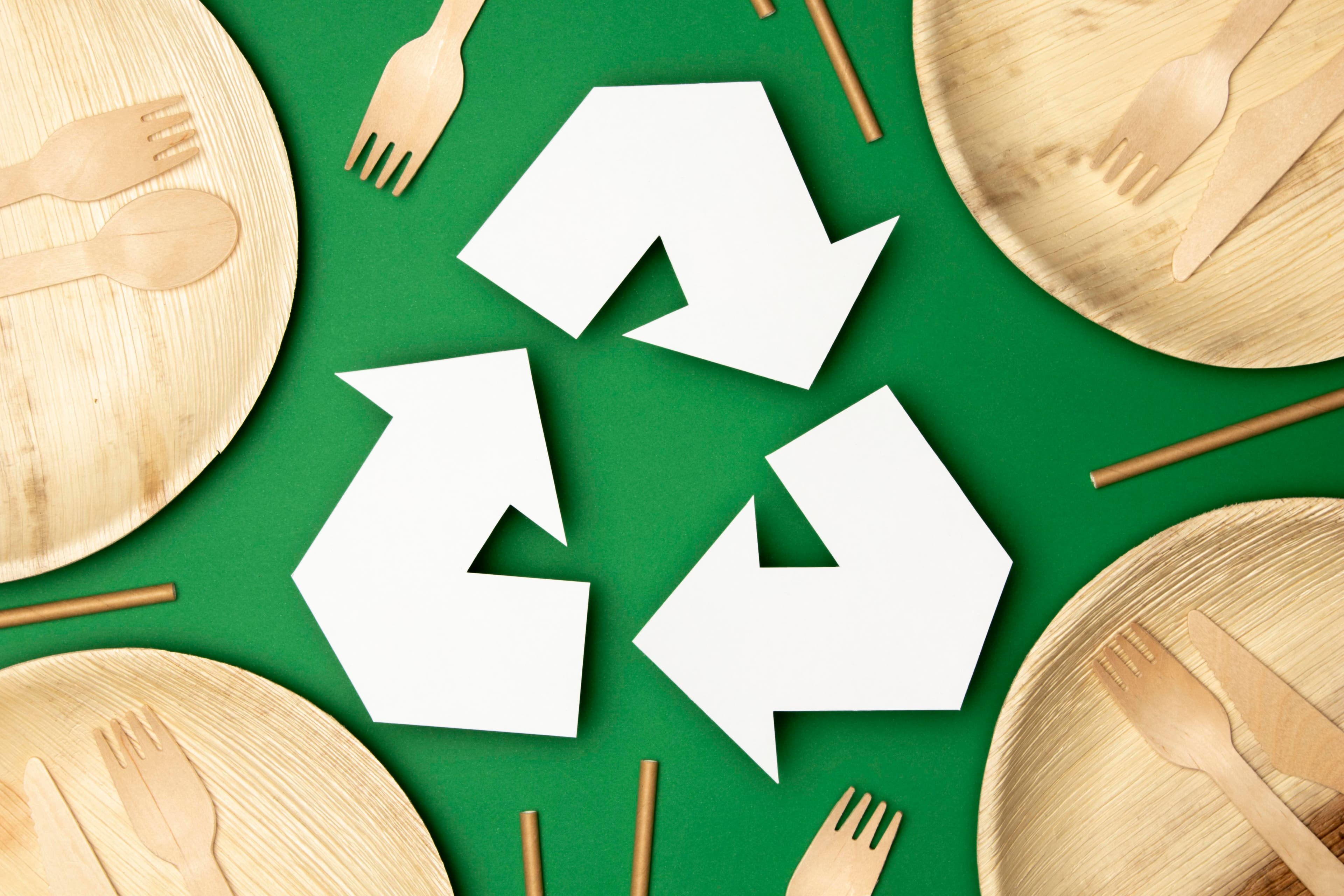
The biodegradable foodware industry is growing fast - and with growth comes hype. As a manufacturer and exporter, we think buyers deserve a straight answer rather than a sales pitch. Compostable tableware is a genuine improvement over single-use plastic, but it is a trade-off, not a miracle. Here is the honest version.
The case for biodegradable foodware
- It diverts agricultural waste. Our plates start as sugarcane bagasse and areca leaf - by-products that are otherwise burned or dumped. Turning them into foodware lowers open-field emissions and uses no trees and no petroleum.
- It composts in about 90 days. In industrial composting, certified bagasse breaks down in roughly 60–90 days and returns to soil, versus centuries for plastic that fragments into microplastics.
- It meets the regulations buyers actually face. EN 13432 / OK Compost certification and PFAS-free formulations line up with the EU Single-Use Plastics Directive, the 2026 PPWR, and UK rules.
- It is food-safe and practical. Modern bagasse handles hot, wet and oily foods, is microwave- and freezer-friendly, and carries no plastic taste.
- It supports rural livelihoods. Sourcing crop residue puts income back into farming communities - a social return plastic cannot offer.
The honest drawbacks
- It costs more per unit. Compostable items are typically pricier than conventional plastic. The gap narrows at volume, but it is real and worth budgeting for.
- It usually needs industrial composting. "Compostable" rarely means "throw it in your garden." Without access to commercial composting, end-of-life benefits shrink.
- Performance has limits. Areca suits dry and event use; bagasse handles heat and moisture better. Choosing the wrong material for the application disappoints.
- Quality varies wildly between suppliers. The market is crowded with uncertified product. Vetting - certificates, lab reports, factory audits - is essential.
- Greenwashing is everywhere. "Eco", "natural" and "green" are unregulated words. Only certified claims (EN 13432, BPI, OK Compost, PFAS-free testing) mean anything.
- It is moisture-sensitive in storage. Shelf life and packaging need care, especially for long sea freight.
How Flora Dine answers the cons
We do not pretend the drawbacks away - we engineer around them. Every batch ships with compostability and PFAS-free documentation, our QC rejects sub-spec product before it leaves the floor, and we help buyers match material to use-case so performance never surprises them. Honest sourcing is the whole point.
The takeaway: biodegradable foodware is the right direction for most food-service buyers - provided you buy certified product, plan for composting, and pick the right material for the job.
Have a question for our export team?
Talk to us